Practical frameworks for marketing in the AI era.
Choose an actionable playbook, master AI search & GEO, evaluate software stacks, or build agent workflows.
Go from insight to action.
Six foundational entry points.
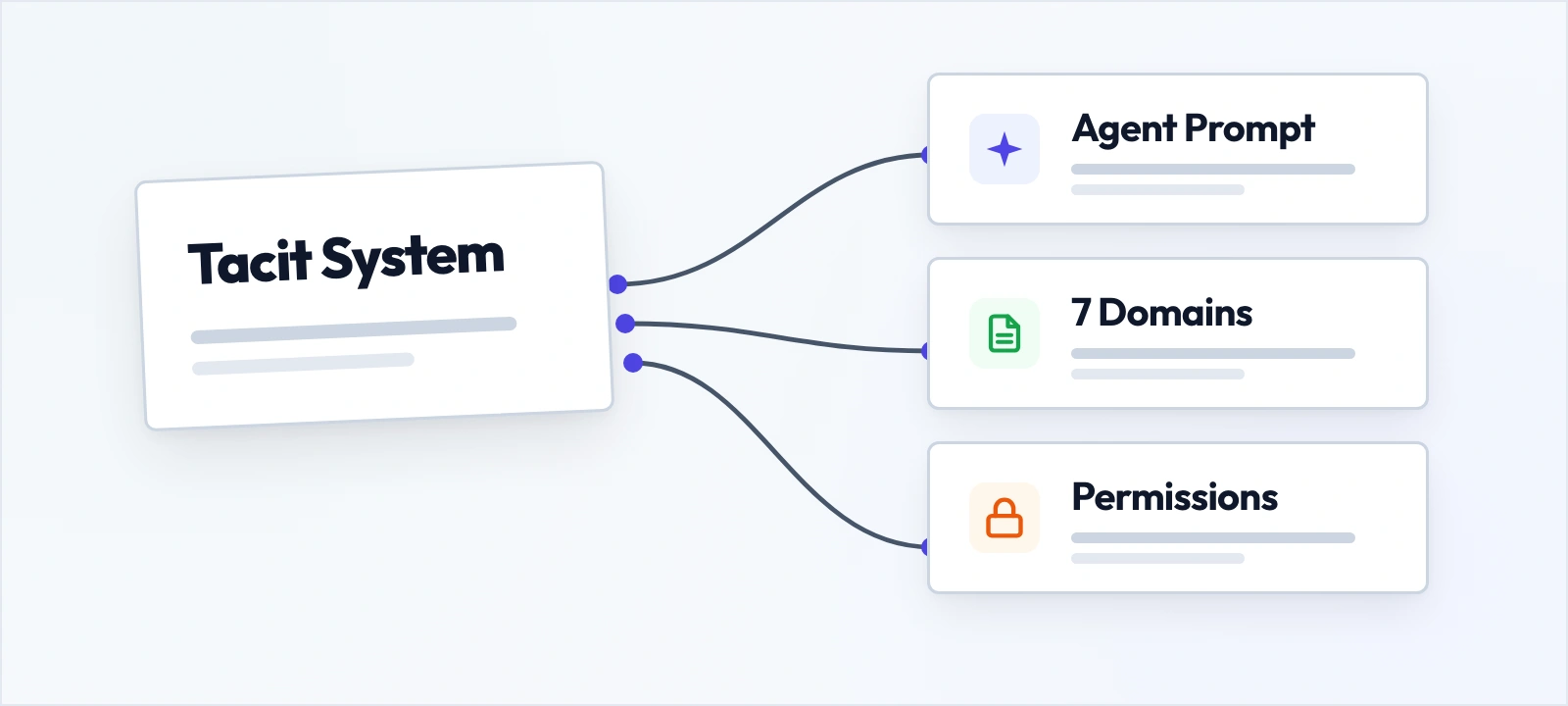
How to Build a Marketing Knowledge System Your AI Agents Can Actually Use
Most marketing teams don’t have a knowledge base—they have a folder. Here is how to structure a decision-ready marketing knowledge system that AI agents can actually retrieve, respect, and compound across recurring work.
Read guide →
Best GEO Tools for Marketers: Which One Fits Your Team?
Choose a GEO tool by team maturity: stay manual while the prompt set is unstable, start with lightweight monitoring, connect GEO to SEO, or move to a specialist platform when the program earns it.
Read guide →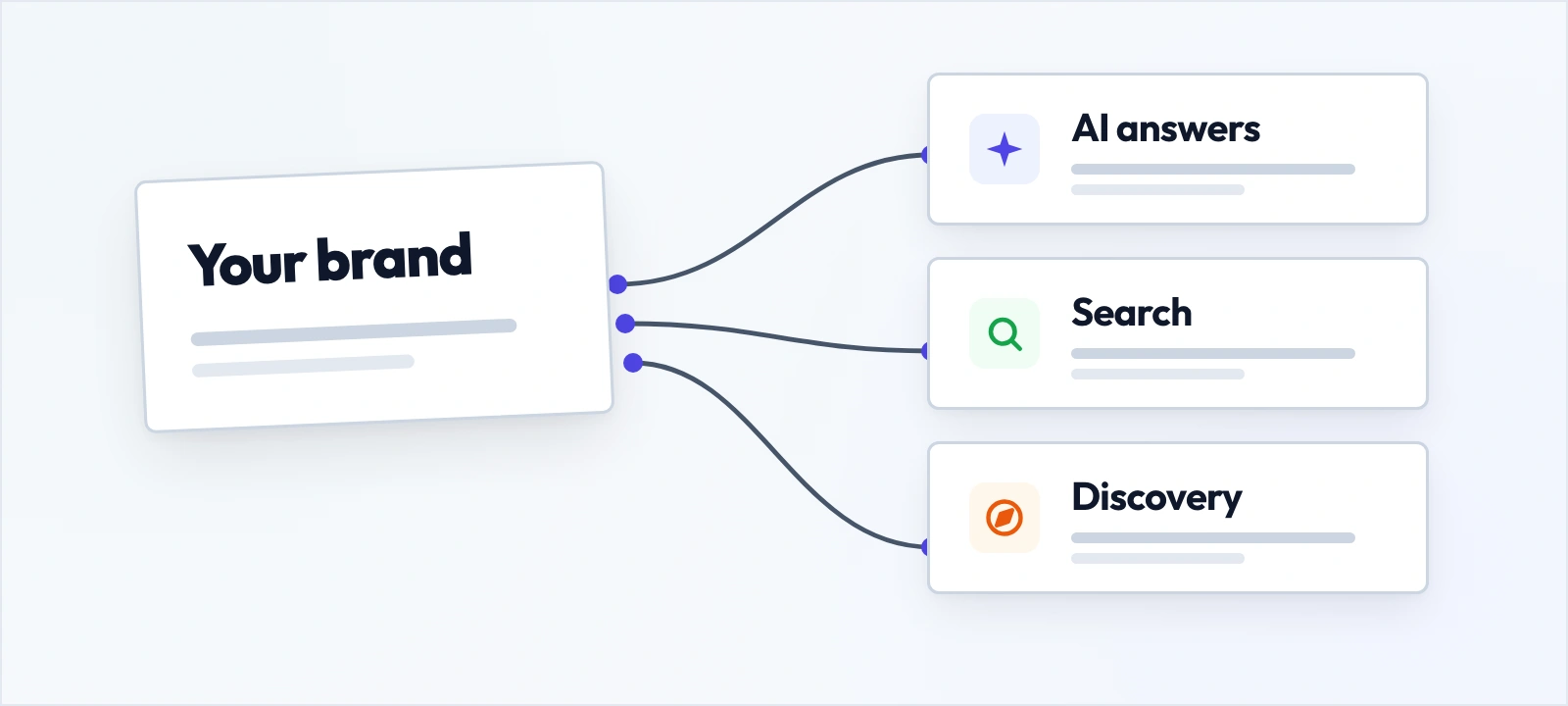
How to Track AI Search Visibility: A Practical Operating Model for Brands
A step-by-step framework for checking whether AI search engines mention your brand, understanding why they do or do not, and deciding what to improve next.
Read guide →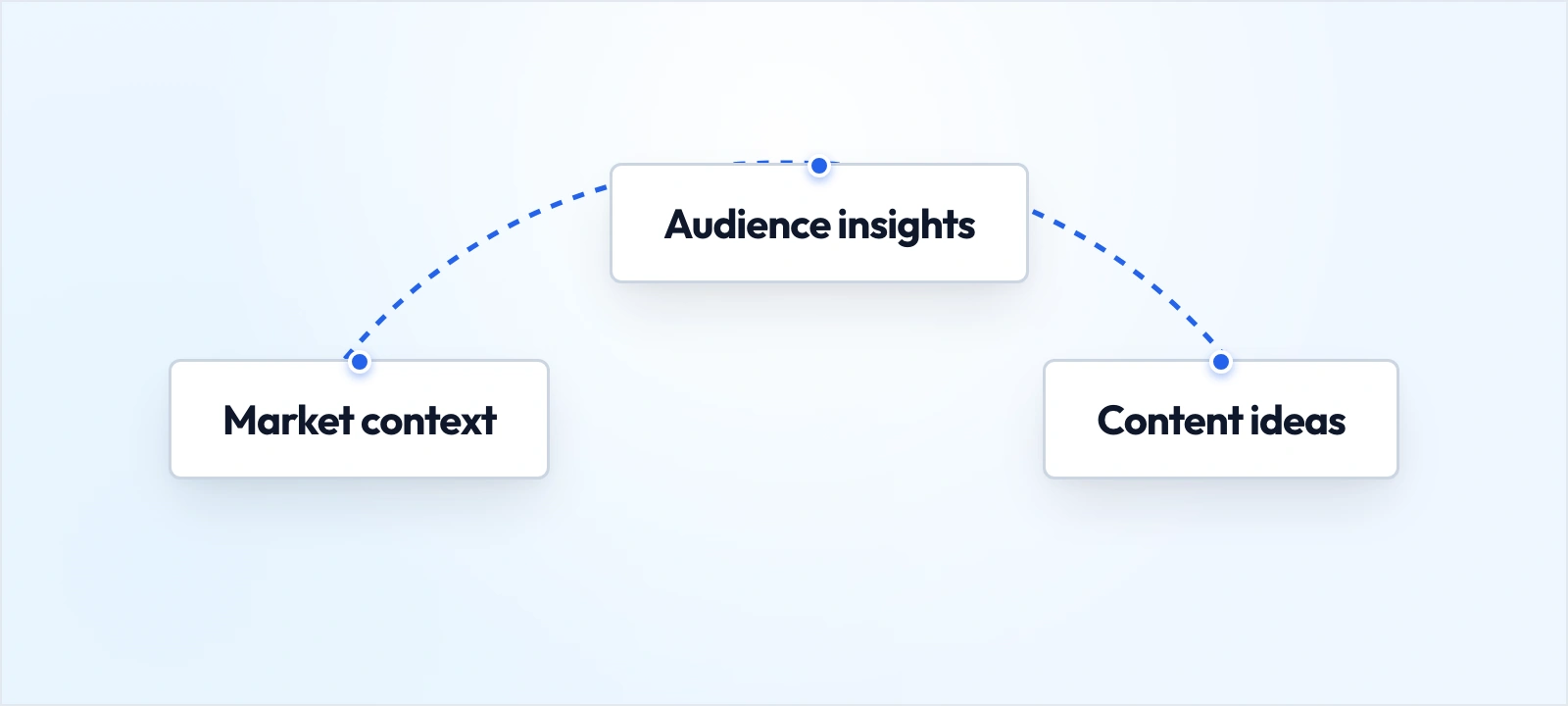
Best AI Audience Research Tools: Build the Right Stack
Choose an audience-research stack by the evidence you need—not by the longest feature list. This guide compares audience discovery, first-party research, competitor intelligence, and conversation analysis.
Read guide →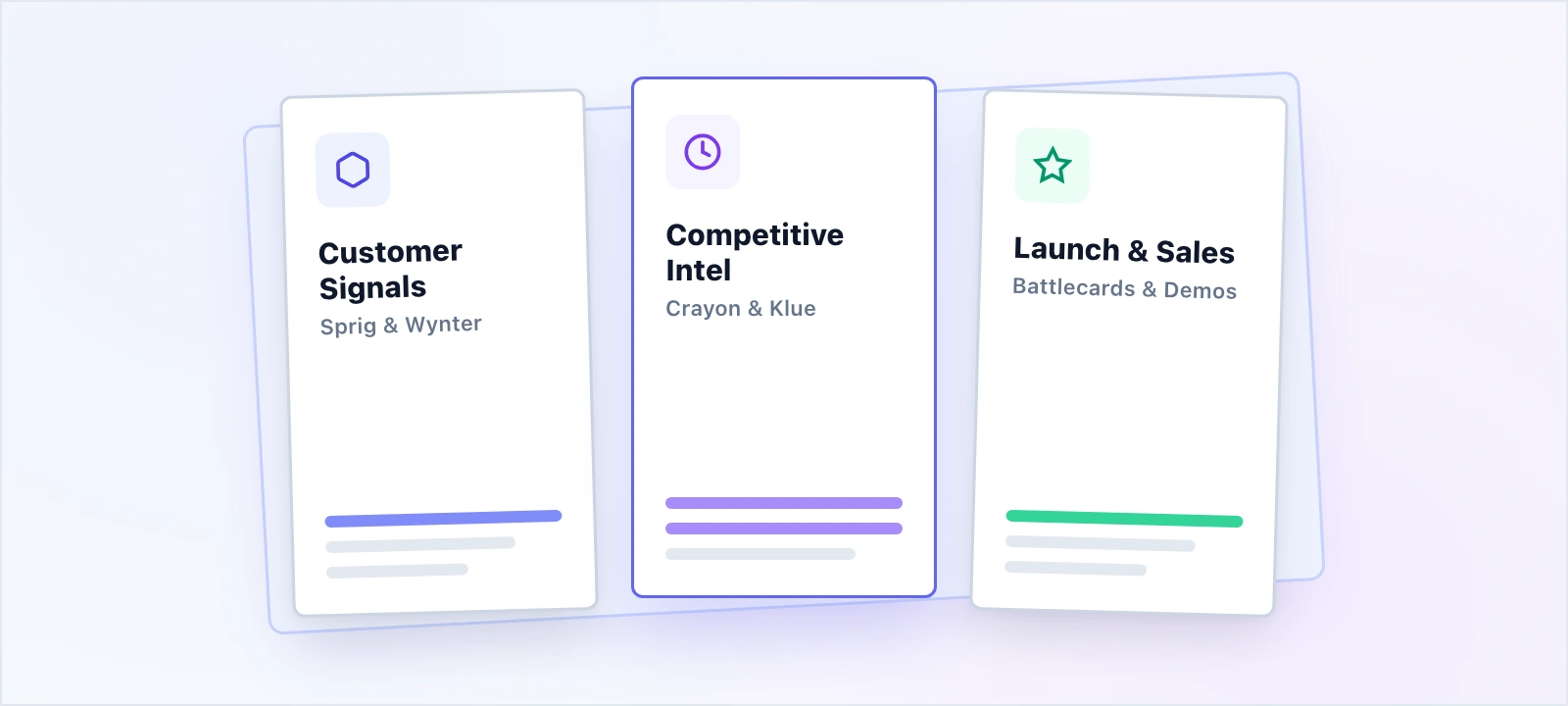
Best AI Tools for Product Marketing: Build the PMM Stack
Build a product marketing stack around the core PMM deliverables: in-product customer insights, competitive battlecards, launch messaging, walkthrough demos, and visual architecture.
Read guide →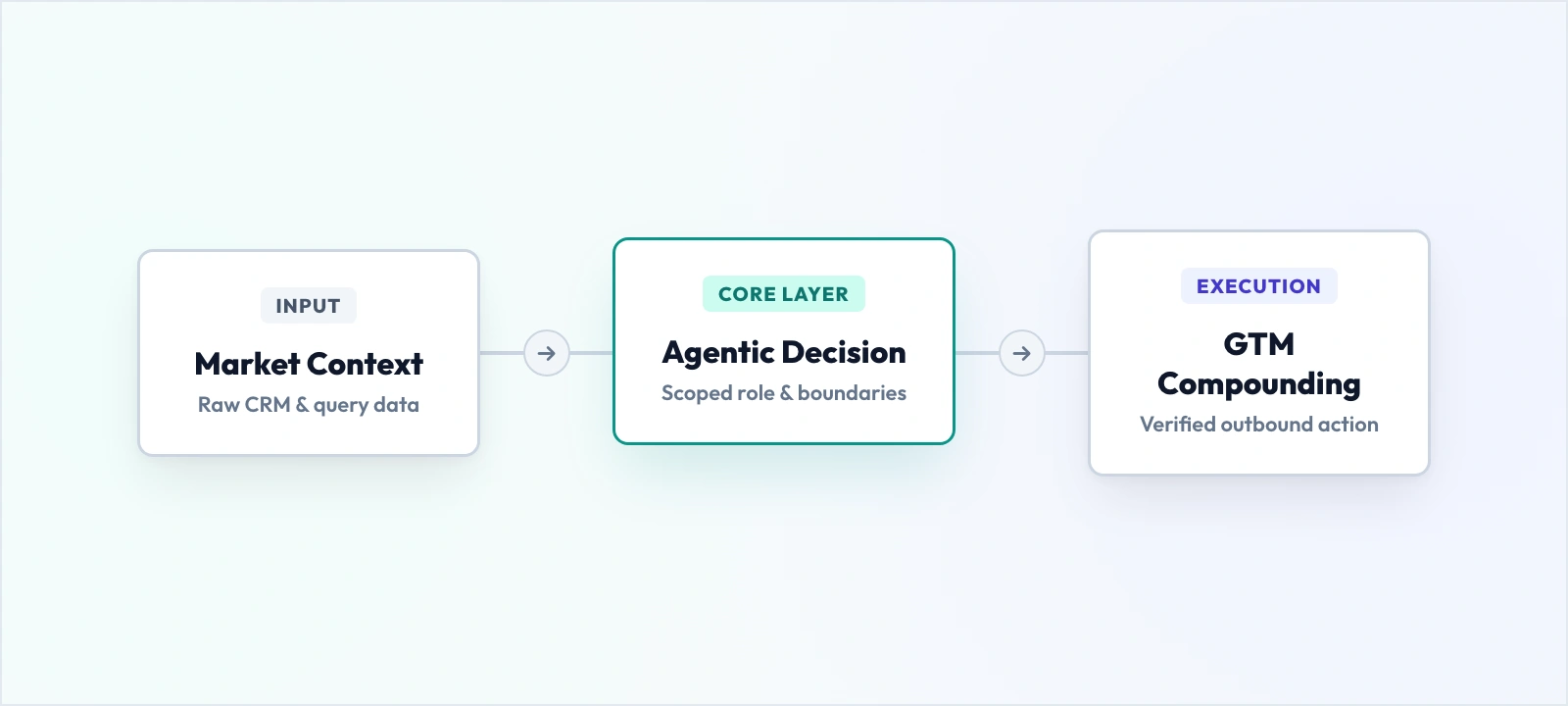
How to Evaluate an Agentic Marketing Stack Before You Automate
An agentic marketing stack is valuable only when trusted context, bounded action, human ownership, and business measurement form one controlled operating loop.
Read guide →Browse all 47 practical guides by track.
AI Search, GEO & Engine Visibility
Track brand citations across Perplexity, ChatGPT, and Google AI Overviews. Fix answer engine gaps and build prompt sets.
If leadership is asking why answer engines don’t mention your brand, work through these frameworks in order.
How to Choose Between an SEO Suite and a Specialist GEO Tool
Choose an AI visibility stack by the client decision it improves, the evidence it preserves, and the extra workflow its specialist features can justify.
How to Choose a PR-Led GEO Tool That Leads to Action
Compare PR-led AI visibility platforms by the decisions they improve: finding narrative gaps, tracing influential sources, planning credible outreach, and proving what changed.
The Complete Guide to Generative Engine Optimization in 2026
Generative Engine Optimization is the work of making a brand or page easier for AI answer engines to understand, trust, cite, and recommend.
What Is GEO? A Practical Guide for Marketers
GEO is the work of making a brand, idea, or page easier for AI answer engines to understand, trust, cite, and recommend.
Marketing Stacks & Software Procurement
Unbiased benchmarks and procurement playbooks for Product Marketing, B2B SaaS, eCommerce, and agencies.
Stop paying for overlapping AI licenses. Assemble a focused stack around real team workflows.
What Is AI Marketing? Tools, Workflows, Prompts, and Examples
AI marketing is not simply using AI to create more content. It is the redesign of the marketing operating system around better inputs, faster intelligence, sharper production, and tighter feedback loops.
Best AI Tools for Marketing: How to Choose by Workflow
The best AI marketing tool is not the one with the most features. It is the one that improves a specific marketing workflow without weakening judgment, proof, or brand quality.
Best AI Marketing Tools for Ecommerce Companies
Build an ecommerce AI stack around the next growth constraint: store operations, retention, customer support, product imagery, ad creative, measurement, or onsite personalization.
Best AI Marketing Tools for B2B SaaS
Build a B2B SaaS AI marketing stack around your core pipeline constraint: cold outbound enrichment, inbound CRM lifecycle, GTM content velocity, or competitive battlecards.
Knowledge Systems & Agentic Workflows
Structure tacit team knowledge into decision-ready retrieval systems so autonomous agents can act safely.
Before automating campaigns with agents, build the structured brand memory they need to avoid hallucinating.
How to Build a Marketing Knowledge System Your AI Agents Can Actually Use
Most marketing teams don’t have a knowledge base—they have a folder. Here is how to structure a decision-ready marketing knowledge system that AI agents can actually retrieve, respect, and compound across recurring work.
How to Evaluate an Agentic Marketing Stack Before You Automate
An agentic marketing stack is valuable only when trusted context, bounded action, human ownership, and business measurement form one controlled operating loop.
AI Marketing Workflow: How to Use AI Across the Marketing Process
A useful AI marketing workflow does not start with output. It starts with better inputs, clearer decisions, stronger briefs, and a feedback loop that improves the next cycle.
AI Marketing Strategy: How to Use AI Without Losing the Plot
A useful AI marketing strategy is not a tool rollout. It is a decision about which marketing workflows should become faster, sharper, more consistent, or easier to learn from.
Audience Intelligence & Content Systems
Extract qualitative buyer intent, synthesize audience signals, and build founder-led distribution systems.
Replace vanity social posting with disciplined feedback loops and evergreen thought leadership.
ChatGPT Prompts for Marketing: How to Get Better Output
Better marketing prompts are not magic phrases. They package context, source material, constraints, examples, and judgment so the model can help with a real marketing task.
How to Turn LinkedIn Content Into Paid Creative Without Losing the Idea
The best LinkedIn paid creative starts with an idea that has earned attention, then uses AI to create controlled tests instead of generic volume.
Best AI Tools for LinkedIn Content: How to Choose the Right Stack
The best AI tools for LinkedIn content do different jobs. The right stack helps you find a stronger point, shape it faster, and repurpose it without flattening your voice.
How Solo Founders Can Build a Sustainable Social Content System
Build a lean social content stack around the way you actually publish: writing, cross-platform distribution, distinctive visuals, video repurposing, and deeper analytics only when the workload demands it.